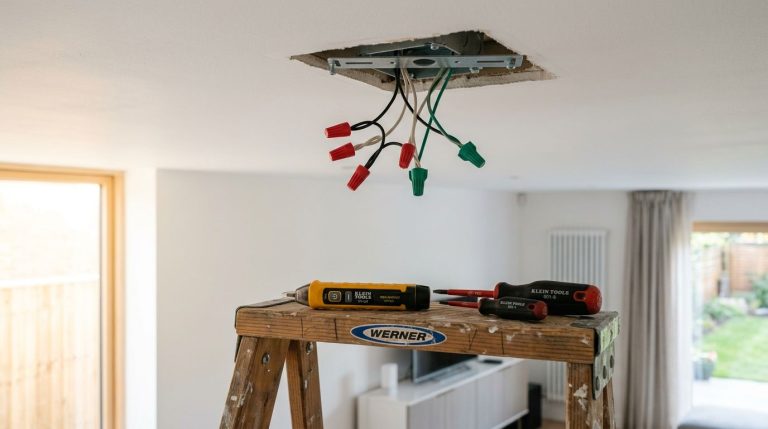
Flickering Lights No Reason? (Causes & Fixes)
You are relaxing at home when suddenly the lights flicker. There is no storm outside. No one flipped a switch. Nothing seems to explain it. If you have ever wondered why your flickering lights have no reason behind them, you are not alone. We hear about this all the time from homeowners across McKinney and the surrounding areas.
At Sawyers Electric, we know that flickering lights can be annoying at best and a warning sign at worst. In this guide, we will walk you through the common causes, how to figure out what is going on, and when it is time to bring in a pro. Let us shed some light on the problem.
What Causes Lights to Flicker for No Apparent Reason?
Most of the time, flickering lights DO have a reason. It just is not obvious to the naked eye. The cause could be something simple like a loose bulb, or it could point to a deeper issue in your electrical system. The trick is knowing what to look for. Here are the most common culprits we run into.
- A loose or old bulb that is not screwed in all the way or is simply wearing out.
- Incompatible dimmer switches that do not play nicely with LED bulbs.
- Loose wiring connections at the fixture, switch, or outlet.
- Voltage fluctuations when large appliances like an AC unit or dryer kick on.
- An overloaded circuit that is pulling more power than it can handle.
- Faulty light fixtures or worn out sockets.
- Problems with the ballast in fluorescent lighting.
- Loose service connections coming into your home from the utility.
Some of these are quick fixes. Others need a licensed electrician. If your flickering is happening with recessed can lights, there are a few extra things worth checking. We break those down in our guide on what causes recessed lighting to flicker.
Is Flickering Lights a Sign of a Serious Electrical Problem?
Sometimes flickering is harmless. Other times it is your home trying to tell you something important. The key is figuring out which category you fall into. Below we break down the difference between a minor annoyance and a real safety concern.
When Flickering Is Usually Harmless
If your lights dim for a split second when the refrigerator or air conditioner turns on, that is often normal. Big appliances draw a lot of power at startup. That brief dip in voltage can cause a quick flicker. As long as it is occasional and short, it is usually nothing to lose sleep over.
When Flickering Points to a Bigger Issue
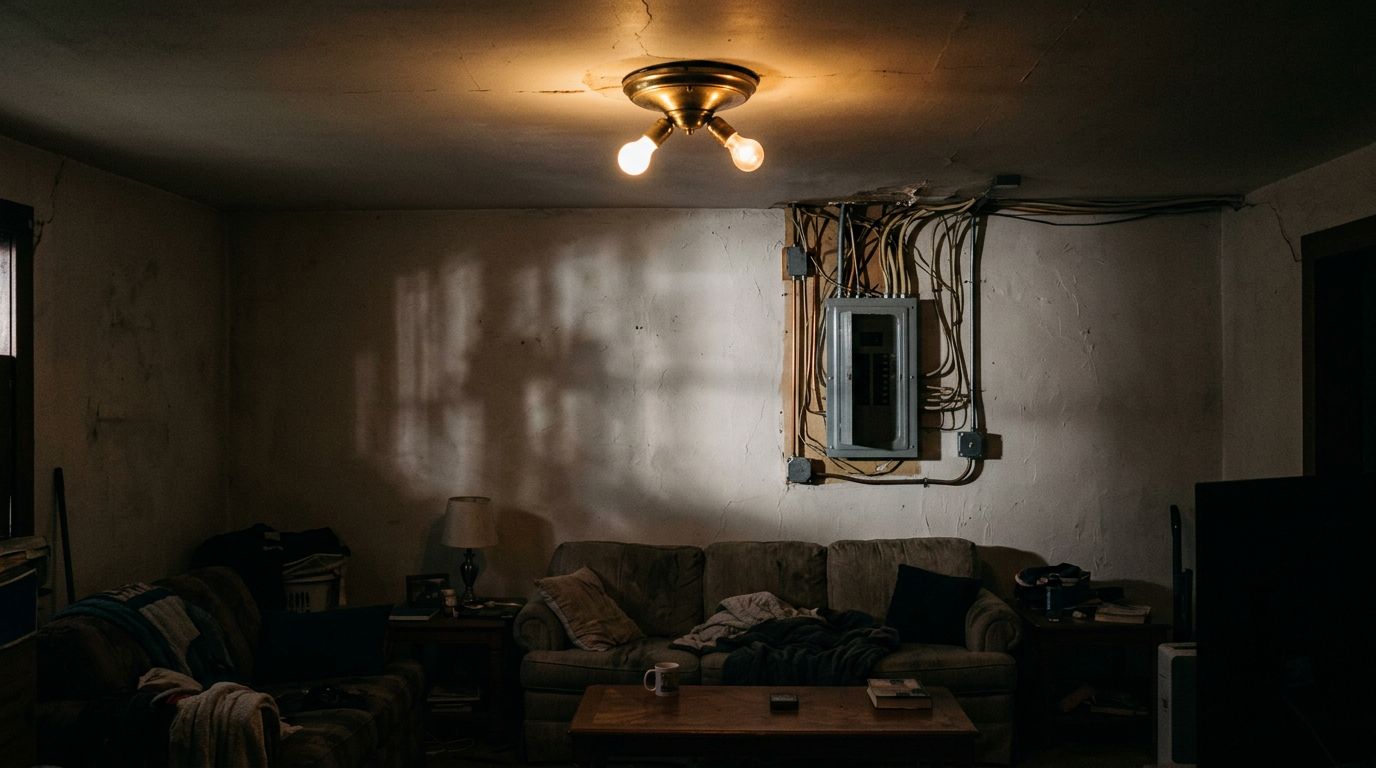
Now here is where you should pay attention. Flickering becomes a red flag when it happens often, affects multiple rooms, or comes with other symptoms. Loose wiring is one of the leading causes of house fires. If the flickering is tied to a bad connection somewhere in your system, that heat can build up over time.
Warning Signs You Should Never Ignore
Watch out for flickering that shows up alongside a burning smell, warm outlets or switch plates, buzzing sounds, or discolored outlets. These can be signs of a serious hazard. It helps to know the common signs of electrical problems in a Texas home so you can act before a small issue turns into a big one.
How to Diagnose Why Your Lights Are Flickering
Before you panic, it helps to do a little detective work. Diagnosing flickering lights is all about narrowing down the source. Is it one bulb, one room, or the whole house? Follow these steps to get a better idea of what you are dealing with.
- Identify the scope. Notice whether the flickering happens with one light, one room, or throughout the entire home. This tells you a lot right away.
- Check the bulb. Make sure it is screwed in tight. Then swap it for a new one to rule out a bad bulb.
- Test the dimmer. If the flickering light is on a dimmer, check whether your bulbs are rated for that dimmer. LED bulbs often need special dimmer switches.
- Watch for triggers. Pay attention to whether the flickering happens when an appliance turns on or when you use certain outlets.
- Look at the breaker. Check your electrical panel for any breakers that feel warm, trip often, or make noise.
- Note the pattern. Is it random, constant, or tied to a specific event? Write it down. This info is gold for an electrician.
If you are dealing with fluorescent tubes, the issue often comes down to either the tube itself or the ballast behind it. We put together a handy walkthrough on how to tell the difference between a ballast and a bulb problem so you do not waste money replacing the wrong part.
Simple Fixes for Flickering Lights You Can Do Yourself
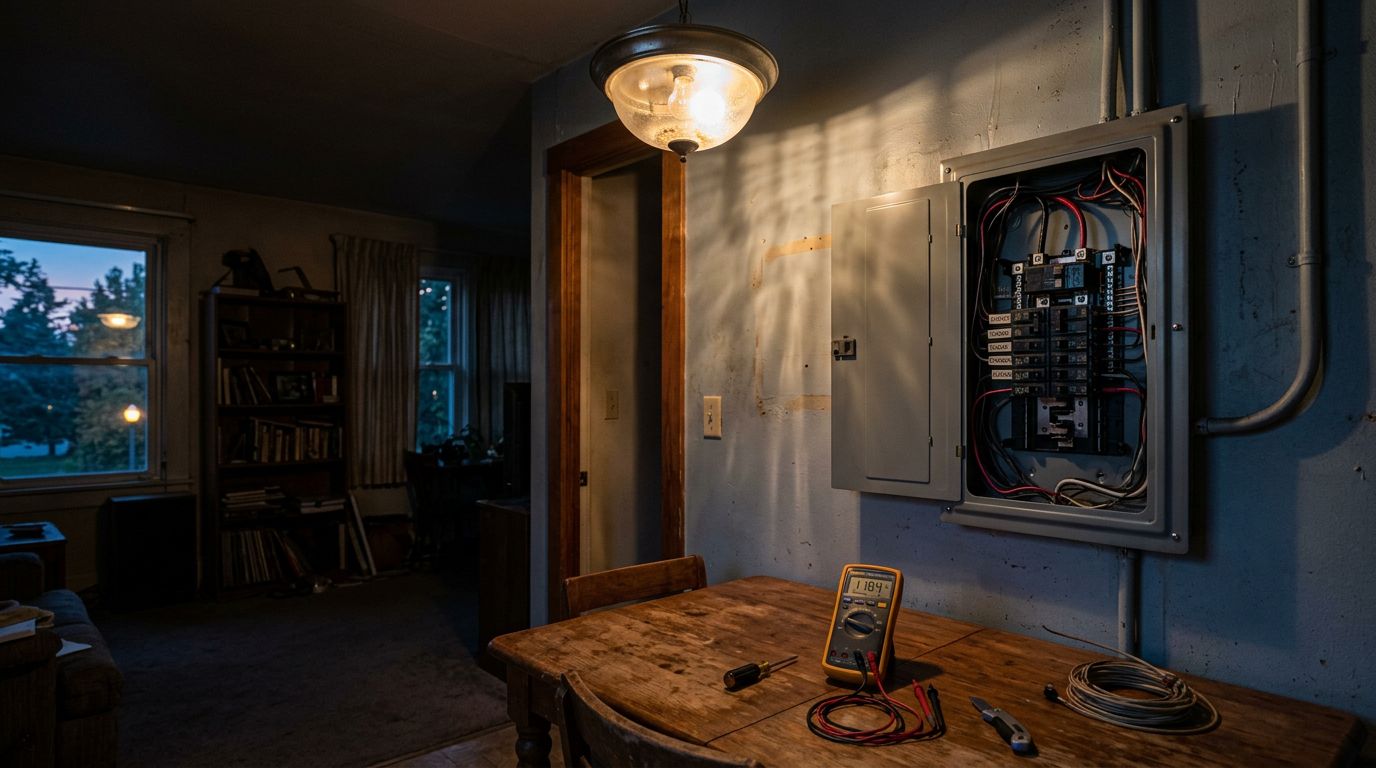
Good news. Not every flickering light needs a professional. Some fixes are simple enough to handle on your own with a little care. Just remember to always turn off the power at the breaker before touching any wiring. If you are ever unsure, stop and call a pro. Here are some safe DIY options to try.
- Tighten the bulb. A loose bulb is the number one cause of flickering. Give it a gentle turn to make sure it is snug.
- Replace old bulbs. Bulbs wear out. If yours is flickering and near the end of its life, swap it for a fresh one.
- Use compatible bulbs. Make sure LED bulbs match your dimmer switch. Look for bulbs labeled “dimmable.”
- Clean the socket. With the power OFF, check for dust or corrosion inside the socket that could break the connection.
- Reduce circuit load. If flickering happens when several things run at once, try moving some devices to another circuit.
- Reset a tripped breaker. Sometimes a quick reset of the breaker clears up a temporary issue.
These small steps solve a surprising number of flickering problems. But if you have tried them all and the lights KEEP flickering, that is your cue to dig deeper.
When Should You Call an Electrician for Flickering Lights?
There is a line between a simple fix and a job that needs a licensed electrician. Crossing that line yourself can be dangerous. If any of the situations below apply to you, it is time to put down the tools and reach out to a professional. Safety always comes first.
- Multiple rooms flicker. Widespread flickering usually points to a panel or main wiring issue.
- You smell burning. Any burning odor near outlets, switches, or fixtures needs immediate attention.
- Outlets or switches feel warm. Heat means a bad connection that could become a fire risk.
- Breakers trip repeatedly. Frequent tripping is a sign your system is overloaded or faulty.
- You hear buzzing or crackling. Strange sounds from walls or fixtures are never a good thing.
- DIY fixes did not work. If you tried the basics and nothing changed, the problem is likely hidden in the wiring.
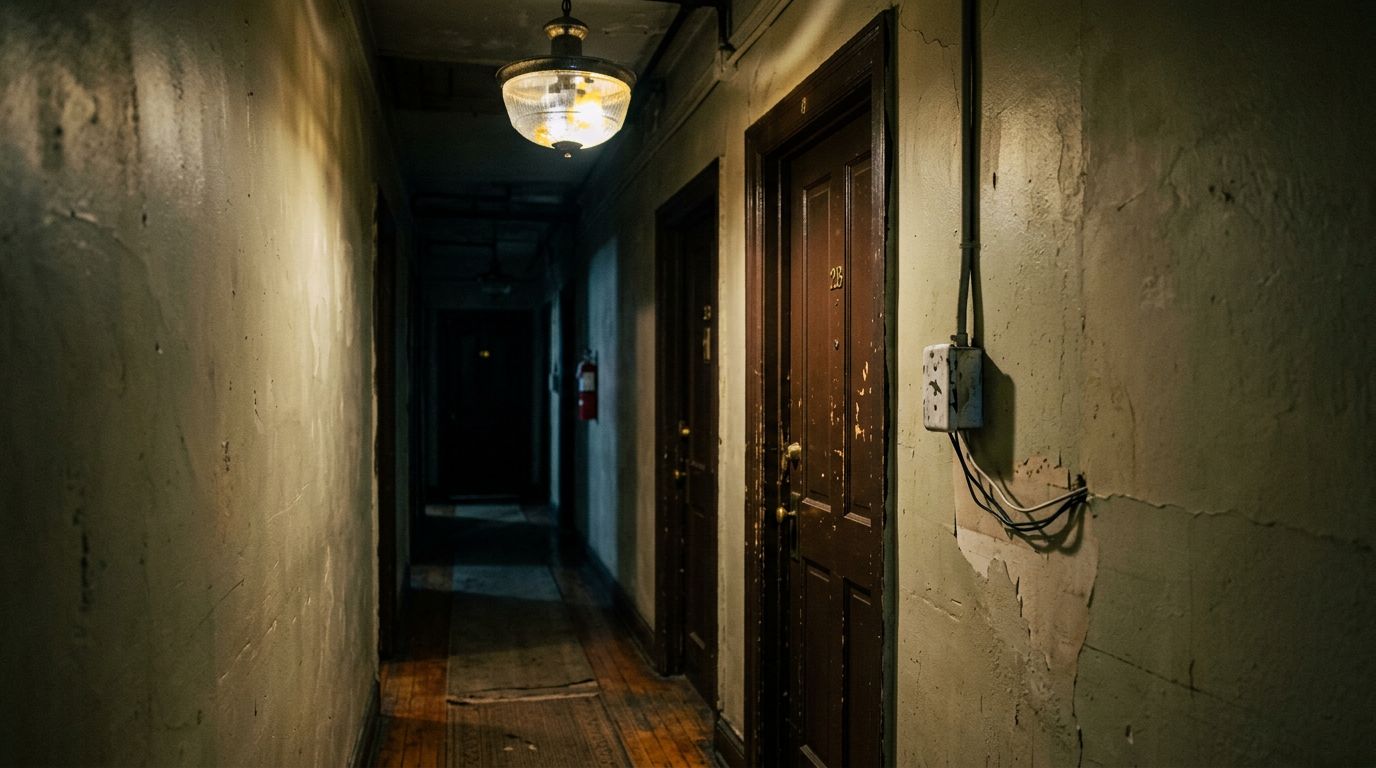
- Your home is older. Aging electrical systems often need a professional inspection to stay safe.
Our team at Sawyers Electric handles everything from light fixture repair and outlet repair to full home electrical inspections across McKinney, Frisco, Plano, Allen, Richardson, The Colony, Carrollton, Lewisville, and Garland. When in doubt, it is always better to have a trained eye take a look.
How to Prevent Lights from Flickering in the Future
Once you have solved the flickering, the goal is to keep it from coming back. A little prevention goes a long way. Taking care of your electrical system now can save you headaches and money down the road. Here are some steps to keep your lights steady for years to come.
- Buy quality bulbs. Cheap bulbs tend to flicker and burn out fast. Invest in reliable, well rated bulbs.
- Match bulbs to dimmers. Always pair LED bulbs with dimmers designed for them.
- Do not overload circuits. Spread your appliances and electronics across different circuits when you can.
- Schedule regular inspections. A periodic home electrical inspection catches loose connections before they become problems.
- Upgrade old wiring. If your home is decades old, ask an electrician about updating outdated wiring.
- Address issues early. The moment you notice consistent flickering, deal with it. Small problems grow.
- Keep your panel healthy. An updated, properly sized electrical panel keeps power flowing smoothly.
Prevention really is the easiest fix of all. A well maintained electrical system is a safer, steadier one.
Conclusion
Flickering lights are rarely a total mystery. More often than not, there is a clear cause hiding behind the scenes; a loose bulb, an overloaded circuit, or a wiring issue that needs attention. The important thing is to figure out whether you are dealing with a harmless quirk or a real safety concern.
Start with the simple DIY checks. If the flickering continues, spreads to other rooms, or comes with warning signs like burning smells or warm outlets, do not wait. Sawyers Electric proudly serves McKinney and nearby communities with electrical repair, circuit breaker repair, and home electrical inspections. Reach out to us and let our team help you get your lights back to steady and your home back to safe.