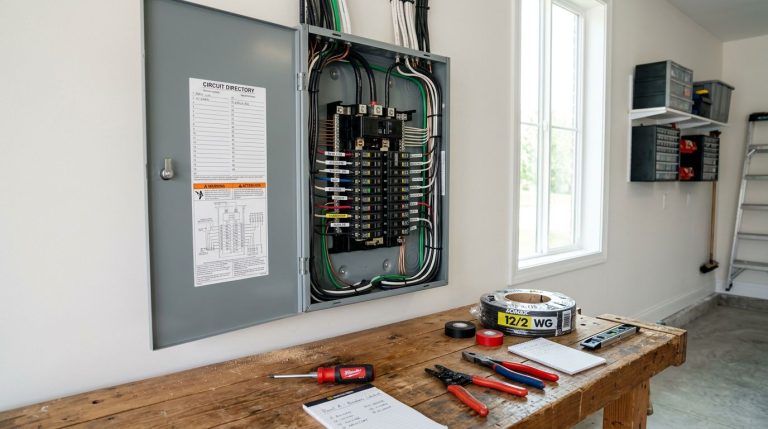
Electrical Wiring Repair Safety: Essential Tips (2026 Guide)
Electrical wiring repair safety is not something you want to guess about. One wrong move can lead to shocks, fires, or worse. At Sawyers Electric in McKinney, we have seen the results of well-meaning DIY jobs gone wrong, and we know how important it is to respect the power running through your walls.
In this 2026 guide, we walk you through the essential tips that keep you safe when working around electrical wiring. Whether you plan to tackle a small fix or just want to understand the risks, this article will help you make smart choices. Let us dig in.
Essential Safety Gear for Electrical Wiring Repairs
Before you touch a single wire, you need the right protection. Electrical work is unforgiving, and skipping safety gear is a gamble no one should take. The proper equipment does not cost much, but it can save your life. We always suit up before any job, no matter how small it seems.
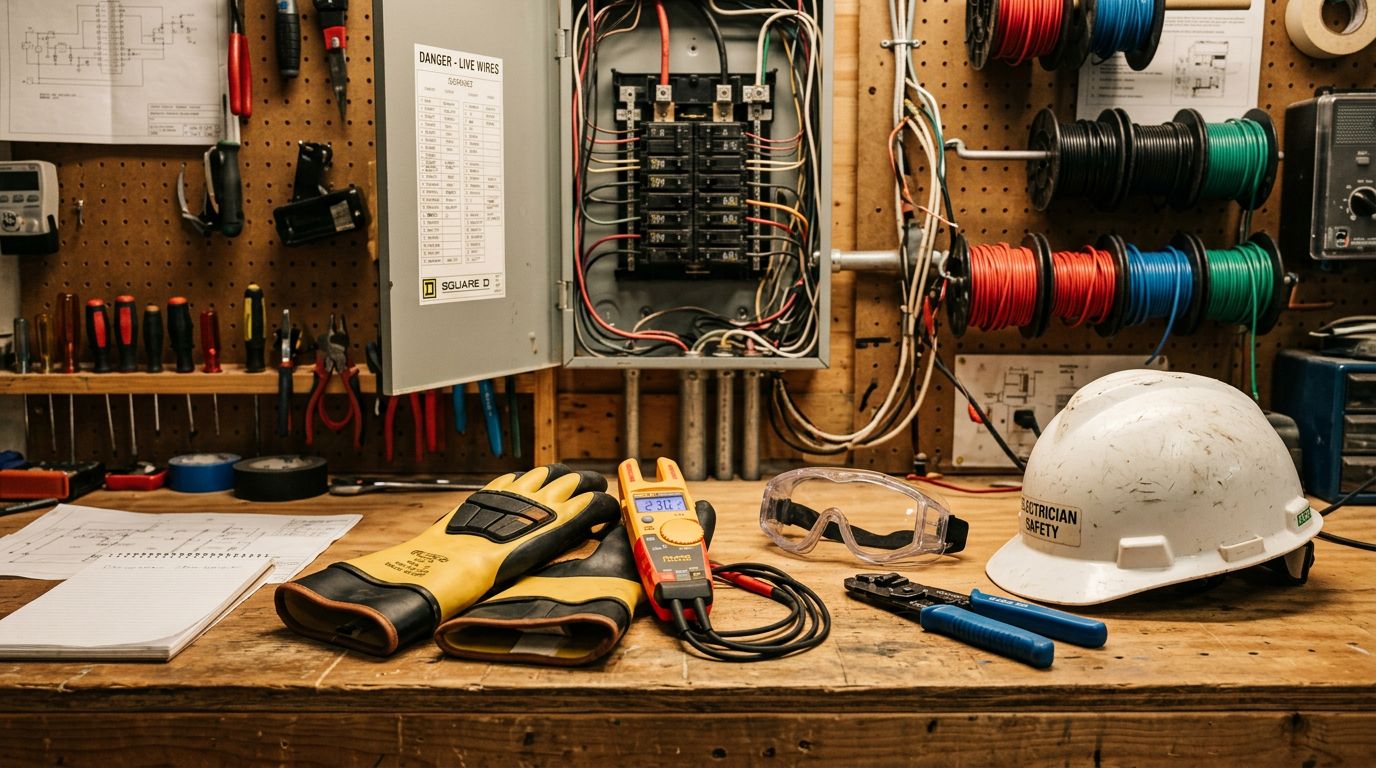
Here is the basic gear you should have on hand for any electrical wiring repair:
- Insulated gloves rated for electrical work, not just garden gloves.
- Safety glasses to protect your eyes from sparks and debris.
- Insulated tools with rubber-coated handles designed for live-adjacent work.
- A reliable voltage tester to confirm power is truly off.
- Rubber-soled shoes to reduce the risk of grounding through your body.
- A flashlight or headlamp so you never work in the dark.
- A fire extinguisher rated for electrical fires, kept nearby just in case.
Never wear loose jewelry or metal watches while working. Metal conducts electricity, and even a small ring can create a dangerous path for current. If you notice ongoing issues around your home, learning the common signs you need electrical repair can help you decide whether gear and a quick fix will do or whether you need a pro.
How to Safely Shut Off Power Before Starting Repairs
The single most important step in any wiring repair is cutting the power. This sounds obvious, but people rush this part all the time. A dead-looking wire can still carry a lethal charge. We treat every wire as live until we prove otherwise. Follow these steps carefully every single time.
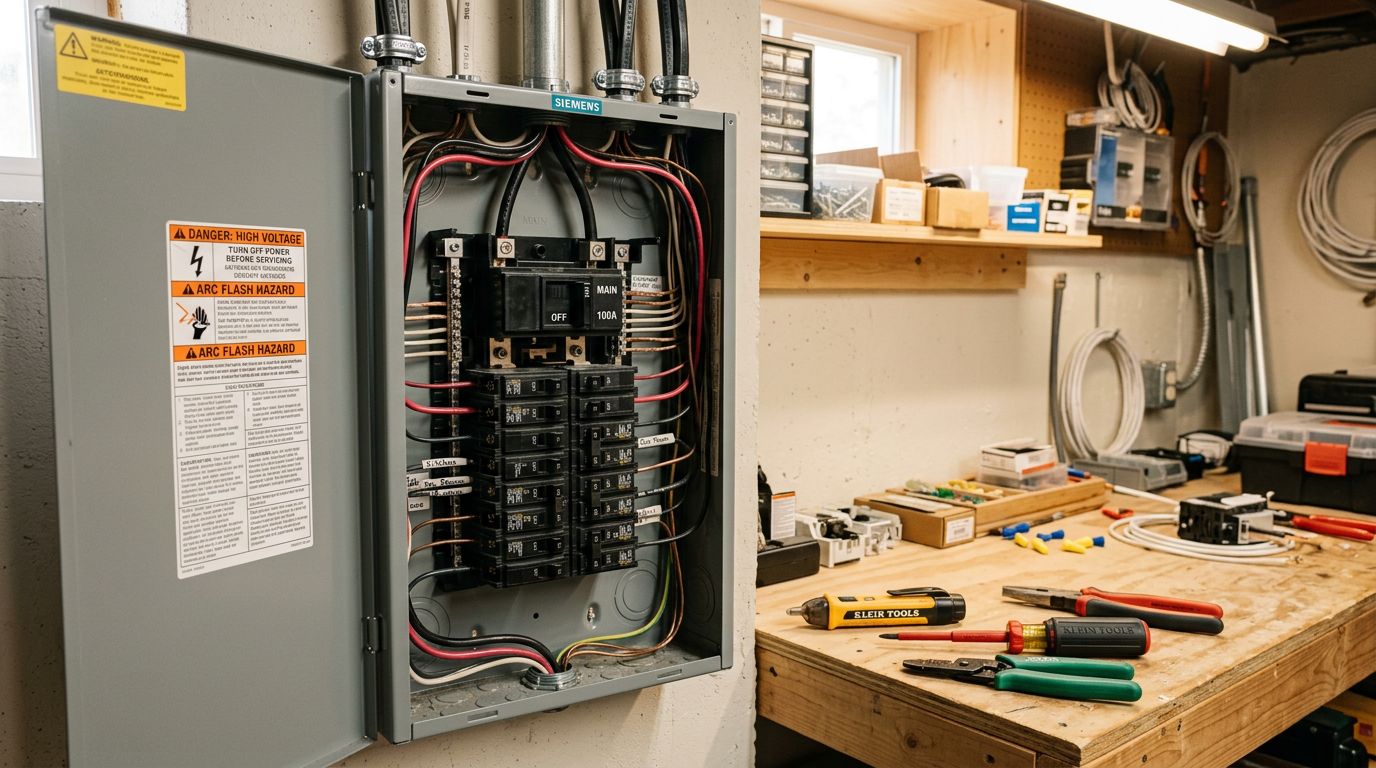
- Identify the correct circuit by checking your electrical panel labels. If they are unclear, label them properly first.
- Turn off the breaker that controls the area you plan to work on. Flip it firmly to the OFF position.
- Post a note on the panel so no one flips the breaker back on while you work.
- Test the outlet, switch, or fixture with a voltage tester to confirm the power is off.
- Double-check by testing a device you KNOW is on the same circuit, like a lamp or plugged-in tool.
- Only begin your repair once you have confirmed zero current in the wires.
Storms add another layer of risk to this process. Power can surge or return unexpectedly when the grid is unstable. We cover this in more detail in our guide on how to safely perform electrical repairs during a Texas storm, which is worth reading if you live anywhere in North Texas.
Common Electrical Wiring Hazards to Watch For
Knowing what dangers to look for is half the battle. Many electrical problems hide behind walls or inside panels where you cannot see them. Here are the hazards we run into most often across McKinney, Frisco, Plano, and the surrounding areas.
Frayed or Damaged Insulation
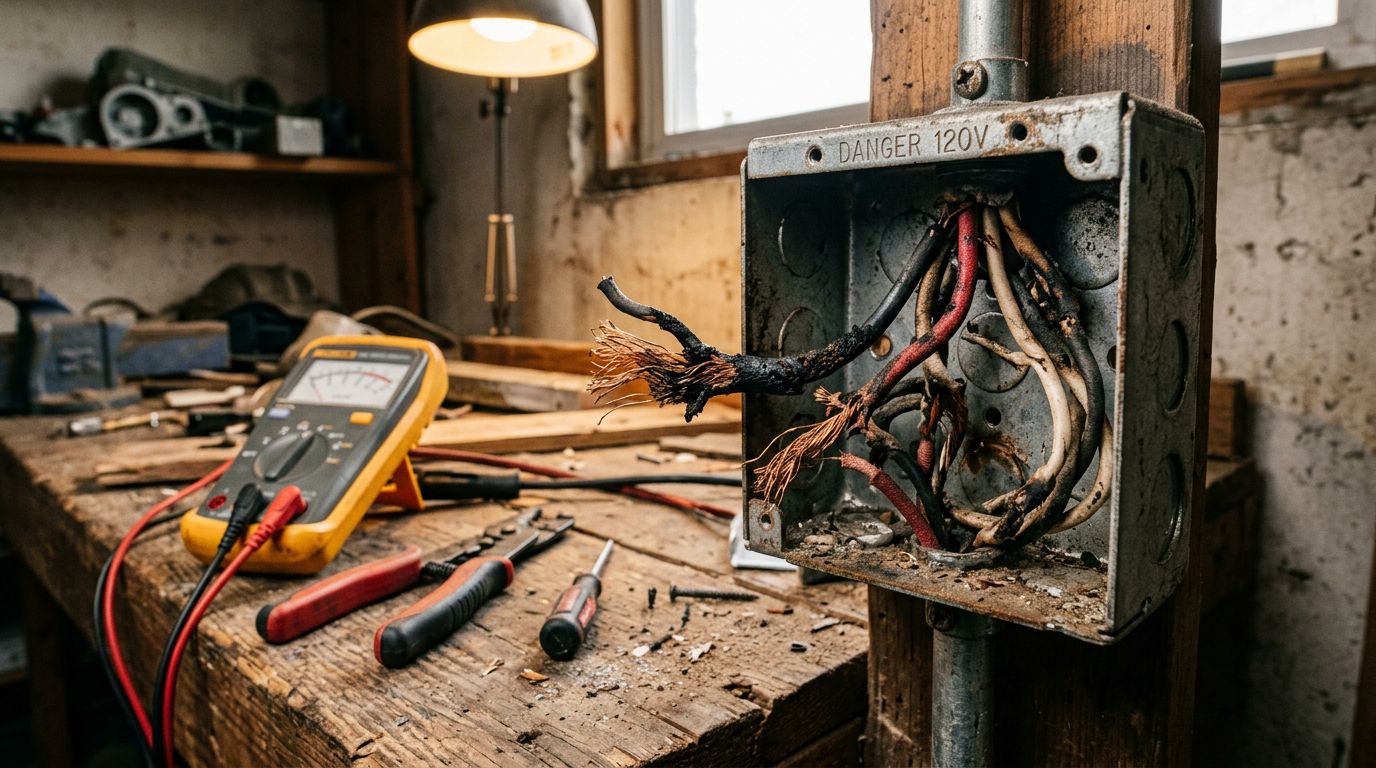
Over time, wire insulation cracks and wears away. This exposes bare copper, which can spark or short out. Old homes and homes with rodent activity are especially prone to this. If you see exposed wire, stop and assess before touching anything.
Overloaded Circuits
Plugging too many devices into one circuit can cause overheating. You might notice warm outlets, flickering lights, or breakers that trip often. These are warning signs that a circuit is carrying more load than it was built to handle.
Aluminum Wiring
Homes built decades ago sometimes used aluminum wiring, which expands and contracts more than copper. This can loosen connections over time and create fire risks. If your home has aluminum wiring, it deserves professional attention.
Water Near Electrical Components
Water and electricity are a deadly mix. Leaks near outlets, panels, or fixtures raise the risk of shock and short circuits. Never work on wiring in a damp area without addressing the moisture first.
Loose or Improper Connections
Wires that are not properly secured can arc and generate heat. Backstabbed outlets, poor splices, and missing wire nuts are common culprits. These small mistakes can lead to big problems down the line.
Step-by-Step Guide to Testing Wires for Live Current
Testing for live current is a skill you must master before doing any wiring work. A voltage tester is your best friend here. It removes the guesswork and confirms whether it is safe to proceed. Never rely on your eyes alone, because live wires look exactly like dead ones. Here is how we test wires the right way.
- Choose the right tester. A non-contact voltage tester is great for quick checks, while a multimeter gives precise readings.
- Test your tester first on a known live source to make sure it works. A faulty tester can give a false sense of safety.
- Shut off the breaker for the circuit you will be working on.
- Hold the tester near or against each wire, one at a time. Watch for lights or beeps that signal current.
- If using a multimeter, place the probes on the wire terminals and read the voltage display.
- Test both the hot and neutral wires, plus the ground, to be thorough.
- Confirm a reading of zero before you handle any conductor.
If your tester shows current even after you shut off the breaker, do not proceed. That signals a wiring problem beyond a simple fix. In that case, it is time to call a professional who can trace the issue safely.
When to Call a Licensed Electrician vs. DIY Repair
Some jobs are fine for a careful homeowner. Others should never be attempted without training and a license. Knowing the difference protects your home and your family. We always tell folks that when in doubt, err on the side of caution. The cost of a mistake far outweighs the cost of a service call.
Here is a quick breakdown to help you decide:
- DIY may be fine for: Replacing a light bulb, swapping a simple outlet cover, or resetting a tripped breaker.
- Consider a pro for: Replacing outlets, installing new fixtures, or troubleshooting flickering lights.
- ALWAYS call a licensed electrician for: Panel upgrades, new circuits, aluminum wiring repairs, or anything involving your main service line.
- Call immediately if: You smell burning, see scorch marks, or feel a shock from an outlet or switch.
There are real advantages to bringing in a trained professional for anything complex. From code compliance to warranty protection, the benefits of hiring a licensed electrician go far beyond simply getting the job done. We handle everything from circuit breaker repair to full home electrical inspections across McKinney, Allen, Richardson, and beyond.
Electrical Code Requirements and Permits for 2026
Electrical codes exist to keep people safe, and they change over time. Staying current matters if you want your work to pass inspection and protect your home. Here is what you should know heading into 2026.
Permits Are Often Required
Many electrical projects require a permit before work begins. This includes new circuits, panel work, and major rewiring. Skipping a permit can cause problems when you sell your home or file an insurance claim. Always check with your local building department first.
GFCI and AFCI Protection
Codes continue to expand where ground-fault and arc-fault protection are required. Kitchens, bathrooms, garages, and outdoor areas typically need GFCI outlets. Bedrooms and living spaces often require AFCI breakers. These devices prevent shocks and fires before they start.
Proper Grounding and Bonding
Modern code places heavy emphasis on correct grounding. A properly grounded system gives stray current a safe path to travel. This is one of the most important safety features in your entire home. If your home is older, grounding may need an upgrade.
Inspections Confirm Compliance
After permitted work, an inspection confirms everything meets code. This step protects you and any future owners. We recommend regular home electrical inspections even when you are not doing repairs, especially in older homes throughout Plano, Frisco, and The Colony. It is a smart way to catch small issues early.
Conclusion
Electrical wiring repair safety comes down to preparation, respect for the power, and knowing your limits. Wear the right gear, always shut off and test the power, and watch for the common hazards that hide in your walls. When a job feels beyond your skill level, calling a licensed pro is the smart and safe choice.
At Sawyers Electric, we proudly serve McKinney, Frisco, Plano, Allen, Richardson, The Colony, Carrollton, Lewisville, and Garland with electrical repair, circuit breaker repair, light fixture repair, outlet repair, and home electrical inspections. If you have wiring concerns or need an inspection this year, reach out to our team and let us help you keep your home safe and up to code.